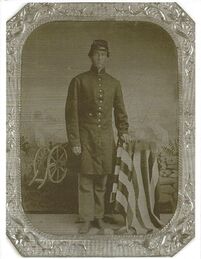
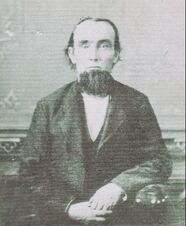
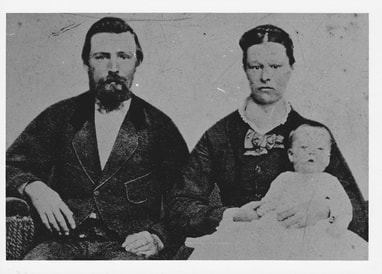
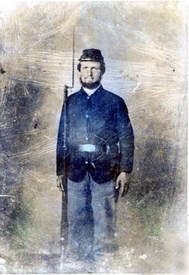
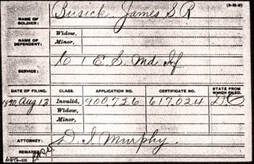
Philip Beslow, ancestor of Norma Fields, was born in Beaufort, S.C. circa 1820. He was the son of his master, Philip John Besselieu, (alternative spelling), and Philip John’s Slave, Charlotte. The Besselieu’s were a prominent family in Charleston. They came to South Carolina from St. Thomas in the Danish West Indies. Born in 1788 in Charleston, Philip John was the youngest son of Philip Anthony Besselieu, headmaster of the Charleston Orphan House, the nation’s first municipal orphanage founded in 1790. President George Washington laid the cornerstone in 1791. The elder Besselieu owned at least 45 Slaves. Five of his grandsons fought for the confederacy in the Civil War.
An online memorial to Philip Anthony states, “… his son Philip John became well known in Cooswathcie and lived among the native Americans.” Census data does not support this statement. U.S. census from 1820 to 1840 show Philip as the only white person living with adult slave women and slave children. The 1860 census lists Philip Beslow, born in the great state of South Carolina, as head of a household in New Bedford, Massachusetts, in which he was the only white person. Included in the household were a Black woman named Charlotte, 3 mulatto adults and 3 mulatto children. Philip John was very well known in Cooswatchie, He served as Postmaster for almost eight years. My 3rd generation great grandfather is not listed in the New Bedford Census. He was living in Brooklyn, New York at the time. He left Beaufort much earlier, circa 1835.
Slavery was extremely severe and often brutal in South Carolina. The large slave population in the low country was a grave concern for the master class. They were always on guard against Slave insurrection. The legislature instituted Slave Codes designed to halt the increase in the free Black population. Free Blacks were forbidden to enter the state. Free Black sailors were to be jailed at their Captain’s expense while their ships were docked at Charleston. The state placed a ban on manumissions in 1820. Slaves could only be freed in SC by escaping. Philip must have been gifted with a spirit of adventure and an unquenchable thirst for freedom. He left Beaufort between the ages of 12 and 15. He could not read or write and according to the laws of SC he was a fugitive slave, subject to the very real dangers of being kidnapped, stolen, and returned to a Slavery far more evil and vile than the one he left behind.
I believe Philip left Beaufort with help from his father, who may have had some connection with the Underground Railroad. It is likely Philip left Beaufort stowed away aboard a merchant ship bound for Portsmouth, Virginia. Black mariners often hid Slaves aboard their vessels helping them escape to freedom. Portsmouth was a station on the Underground Railroad. He must have received help and support in Portsmouth because he remained in Norfolk, working as a mariner on merchant ships. Black seamen were assigned to menial duties aboard the ships. They were cabin boys, stewards, firemen, janitors, painters, and Captain's Cooks and they were subject to vicious racism. They were always in danger of being kidnapped and sold back into slavery. Despite the drawbacks, sailing was a profession black men saw as an occupation of opportunity. Sailors were popular in their community. They were men who brought stories of mobility back to a stagnant community. The Black community was proud of them.
In 1855, Philip enlisted in the United States Navy. His recruitment papers describe him as a mulatto, 5 feet, 5 inches tall, with black hair and eyes. It was a phenomenal opportunity for a black man to be a member of the United States Navy. Unlike the Army, the Navy has always been integrated. Since its creation in 1798, by Act of Congress the Navy has never barred Black men from serving; they needed the manpower as people were not standing in line to join what was considered a dangerous occupation and they were not concerned black men at sea posed as great a threat as armed black men in the Army. From the 1840s until the Civil War the number of black sailors was limited to 5% of naval population. Slightly over 118,000 sailors served in the war, almost 18,000 were black, 11 were women. Black sailors were assigned to menial duties aboard naval ships, but in times of general quarters, all hands on deck, blacks served on the gun crews, small arms crews, swords pistols and rifles to repel boarders. Eight black sailors were awarded Medals of Honor for acts of bravery during the Civil War.
The first ship Philip served on before the war, was the USS Pennsylvania, a Receiving Ship out of Norfolk, Virginia. He was rated a Captain’s cook. Rank varied from enlistment to enlistment for black sailors, depending on the temperament of the Captain. The second ship he served on was the Revenue Cutter, Harriet Lane. In Feb 1861, Philip re-enlisted in the Union Navy and would serve for the duration of the Civil War. Philip served on four ships during the war, again on The Harriet Lane, The Oswasco, The O.H. Lee, and The New Hampshire. He saw plenty of action onboard ship. His engagements included Fort Sumter, Pigs Point, Hatteras Inlet, Galveston, Vicksburg, Fort Jackson, New Orleans. While onboard the O.H. Lee, Philp received an injury to his eyes from an exploding shell. The injury would eventually make him partially blind. At the end of the war Philip reenlisted aboard the New Hampshire. He was discharged from the Navy in 1871.
Over 30 years of life at sea took a terribly high toll on Philip’s Health. He suffered from rheumatism, paralysis on one side, partial blindness and other ailments. The pension Act of 1890 awarded Invalid Pensions to Civil War veterans who could prove their injury or illness was in the line of duty. Philip began his quest for a pension in 1890, a time, Historian Rayford Logan called the nadir of race relations in America. Reconstruction ended in 1877 and the KKK was on the rise, as was segregation. His statement appeared proven correct when a claims agent, Charles Brown, whom Philip gave his discharge papers to, either lost or destroyed them. For Philip to qualify for a pension he had to contact doctors and shipmates who could validate his claims. With the help of staff at the Old Soldiers Home, he was able to hire a lawyer to help him make his claim. The lawyer sent requests for affidavits throughout the country. The response he received was most heartening. White people came to his aid. Members of the Norfolk clergy and community, ship mates, two surgeons from Massachusetts went back through 30 years of paperwork to find entries of treating Philip. A racist and infelicitous claims agent may have lost or destroyed his discharge papers, but good people over came even during the nadir of race relations in this country.
Philip was awarded an $8.00 monthly pension in 1893. The equivalent of $208.00 today. It was lower than most pension awards. In 1896 he applied for an increase. His pension was increased to $12.00 a month, the equivalent 0f $312.48 today. Only 5% of Black veterans received pensions.
Philip married Sarah Fraction, a free black woman from Norfolk circa 1855. They moved to Brooklyn, New York. They had five children, Charles, Lewis, Emma, Charlotte, and Lillian. Lewis, born in Brooklyn in 1861, was my great, great grandfather.
Philip died in 1898. He is buried in West Point Cemetery in Norfolk, Virginia. A cemetery established after the War for Black Civil War veterans.
I am proud of him and I know Philip is proud of his 4th generation grandson, who, because of the great men and women of the Union Army and Navy, achieved heights Philip could not possibly have imagined, retired Army Major Anthony Fields, a 1999 graduate of the United States Military Academy. I get emotional when I think about my ancestor fighting in the Civil War. African Americans see the war as a war for freedom. I’m sure that’s how he saw it. He fought for my freedom. When I think of the sacrifices of the men and women who fought in the Civil War, whether they fought to save the union or to free the slaves, or for both, I am overwhelmed and grateful for their sacrifice and service.
An online memorial to Philip Anthony states, “… his son Philip John became well known in Cooswathcie and lived among the native Americans.” Census data does not support this statement. U.S. census from 1820 to 1840 show Philip as the only white person living with adult slave women and slave children. The 1860 census lists Philip Beslow, born in the great state of South Carolina, as head of a household in New Bedford, Massachusetts, in which he was the only white person. Included in the household were a Black woman named Charlotte, 3 mulatto adults and 3 mulatto children. Philip John was very well known in Cooswatchie, He served as Postmaster for almost eight years. My 3rd generation great grandfather is not listed in the New Bedford Census. He was living in Brooklyn, New York at the time. He left Beaufort much earlier, circa 1835.
Slavery was extremely severe and often brutal in South Carolina. The large slave population in the low country was a grave concern for the master class. They were always on guard against Slave insurrection. The legislature instituted Slave Codes designed to halt the increase in the free Black population. Free Blacks were forbidden to enter the state. Free Black sailors were to be jailed at their Captain’s expense while their ships were docked at Charleston. The state placed a ban on manumissions in 1820. Slaves could only be freed in SC by escaping. Philip must have been gifted with a spirit of adventure and an unquenchable thirst for freedom. He left Beaufort between the ages of 12 and 15. He could not read or write and according to the laws of SC he was a fugitive slave, subject to the very real dangers of being kidnapped, stolen, and returned to a Slavery far more evil and vile than the one he left behind.
I believe Philip left Beaufort with help from his father, who may have had some connection with the Underground Railroad. It is likely Philip left Beaufort stowed away aboard a merchant ship bound for Portsmouth, Virginia. Black mariners often hid Slaves aboard their vessels helping them escape to freedom. Portsmouth was a station on the Underground Railroad. He must have received help and support in Portsmouth because he remained in Norfolk, working as a mariner on merchant ships. Black seamen were assigned to menial duties aboard the ships. They were cabin boys, stewards, firemen, janitors, painters, and Captain's Cooks and they were subject to vicious racism. They were always in danger of being kidnapped and sold back into slavery. Despite the drawbacks, sailing was a profession black men saw as an occupation of opportunity. Sailors were popular in their community. They were men who brought stories of mobility back to a stagnant community. The Black community was proud of them.
In 1855, Philip enlisted in the United States Navy. His recruitment papers describe him as a mulatto, 5 feet, 5 inches tall, with black hair and eyes. It was a phenomenal opportunity for a black man to be a member of the United States Navy. Unlike the Army, the Navy has always been integrated. Since its creation in 1798, by Act of Congress the Navy has never barred Black men from serving; they needed the manpower as people were not standing in line to join what was considered a dangerous occupation and they were not concerned black men at sea posed as great a threat as armed black men in the Army. From the 1840s until the Civil War the number of black sailors was limited to 5% of naval population. Slightly over 118,000 sailors served in the war, almost 18,000 were black, 11 were women. Black sailors were assigned to menial duties aboard naval ships, but in times of general quarters, all hands on deck, blacks served on the gun crews, small arms crews, swords pistols and rifles to repel boarders. Eight black sailors were awarded Medals of Honor for acts of bravery during the Civil War.
The first ship Philip served on before the war, was the USS Pennsylvania, a Receiving Ship out of Norfolk, Virginia. He was rated a Captain’s cook. Rank varied from enlistment to enlistment for black sailors, depending on the temperament of the Captain. The second ship he served on was the Revenue Cutter, Harriet Lane. In Feb 1861, Philip re-enlisted in the Union Navy and would serve for the duration of the Civil War. Philip served on four ships during the war, again on The Harriet Lane, The Oswasco, The O.H. Lee, and The New Hampshire. He saw plenty of action onboard ship. His engagements included Fort Sumter, Pigs Point, Hatteras Inlet, Galveston, Vicksburg, Fort Jackson, New Orleans. While onboard the O.H. Lee, Philp received an injury to his eyes from an exploding shell. The injury would eventually make him partially blind. At the end of the war Philip reenlisted aboard the New Hampshire. He was discharged from the Navy in 1871.
Over 30 years of life at sea took a terribly high toll on Philip’s Health. He suffered from rheumatism, paralysis on one side, partial blindness and other ailments. The pension Act of 1890 awarded Invalid Pensions to Civil War veterans who could prove their injury or illness was in the line of duty. Philip began his quest for a pension in 1890, a time, Historian Rayford Logan called the nadir of race relations in America. Reconstruction ended in 1877 and the KKK was on the rise, as was segregation. His statement appeared proven correct when a claims agent, Charles Brown, whom Philip gave his discharge papers to, either lost or destroyed them. For Philip to qualify for a pension he had to contact doctors and shipmates who could validate his claims. With the help of staff at the Old Soldiers Home, he was able to hire a lawyer to help him make his claim. The lawyer sent requests for affidavits throughout the country. The response he received was most heartening. White people came to his aid. Members of the Norfolk clergy and community, ship mates, two surgeons from Massachusetts went back through 30 years of paperwork to find entries of treating Philip. A racist and infelicitous claims agent may have lost or destroyed his discharge papers, but good people over came even during the nadir of race relations in this country.
Philip was awarded an $8.00 monthly pension in 1893. The equivalent of $208.00 today. It was lower than most pension awards. In 1896 he applied for an increase. His pension was increased to $12.00 a month, the equivalent 0f $312.48 today. Only 5% of Black veterans received pensions.
Philip married Sarah Fraction, a free black woman from Norfolk circa 1855. They moved to Brooklyn, New York. They had five children, Charles, Lewis, Emma, Charlotte, and Lillian. Lewis, born in Brooklyn in 1861, was my great, great grandfather.
Philip died in 1898. He is buried in West Point Cemetery in Norfolk, Virginia. A cemetery established after the War for Black Civil War veterans.
I am proud of him and I know Philip is proud of his 4th generation grandson, who, because of the great men and women of the Union Army and Navy, achieved heights Philip could not possibly have imagined, retired Army Major Anthony Fields, a 1999 graduate of the United States Military Academy. I get emotional when I think about my ancestor fighting in the Civil War. African Americans see the war as a war for freedom. I’m sure that’s how he saw it. He fought for my freedom. When I think of the sacrifices of the men and women who fought in the Civil War, whether they fought to save the union or to free the slaves, or for both, I am overwhelmed and grateful for their sacrifice and service.